Skip to content

Free delivery to a relay point for orders over €59 (metropolitan France)

English
  • English
  • Español

What are you looking for?

Professional-grade stainless steel

Discover our selection of professional-grade stainless steel supplies for DIY jewelry making. Chains, findings, clasps, pendants, and components in 304 or 316L stainless steel, chosen for their strength, durability, and excellent resistance over time. An ideal collection for demanding designers and fashion jewelry professionals.

669 items
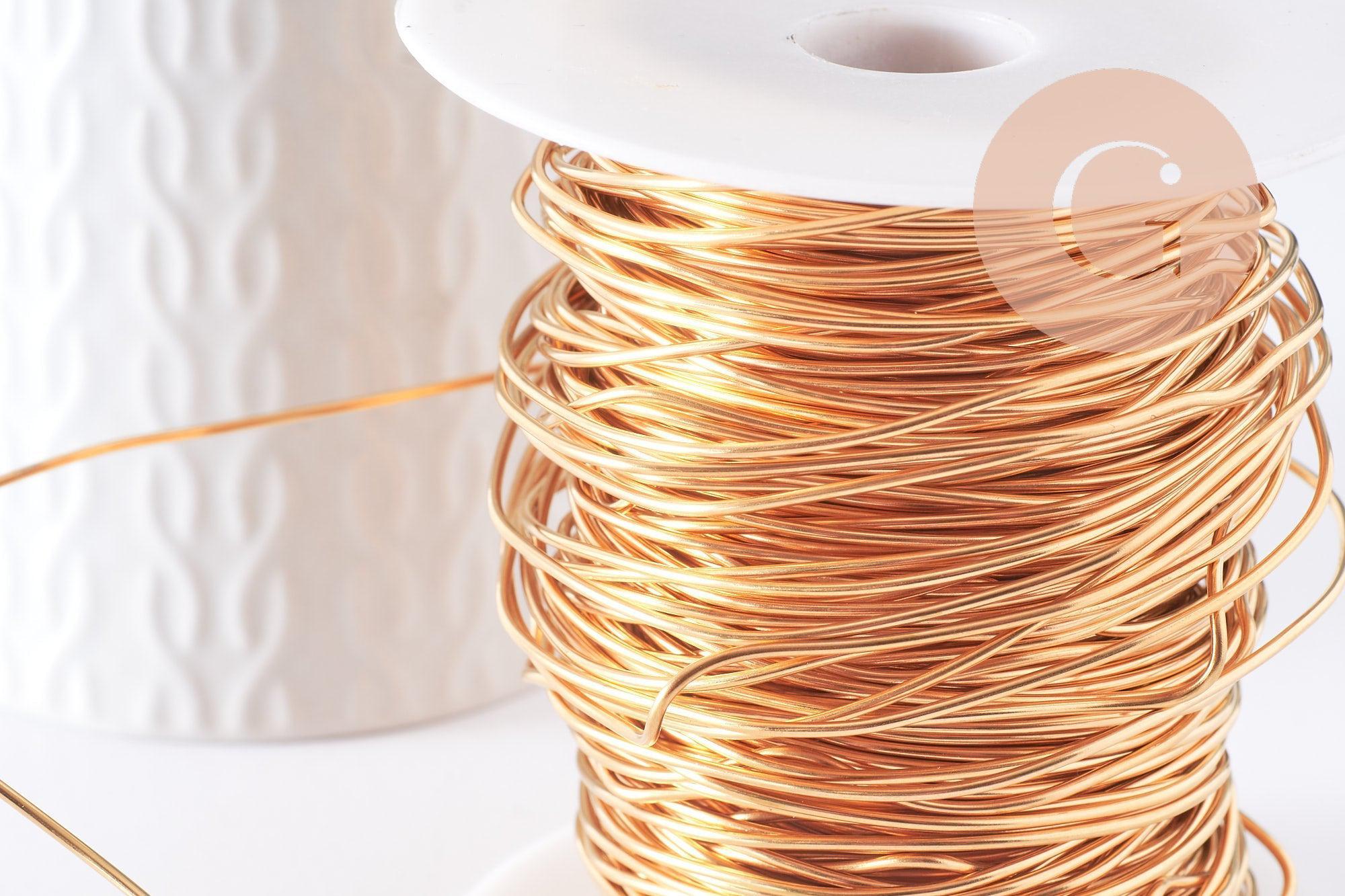
Fil d'acier 304 inoxydable doré IP inoxydable 1.2mm, x1 mètre (G9842) Fil d'acier 304 inoxydable doré IP inoxydable 1.2mm, x1 mètre (G9842)
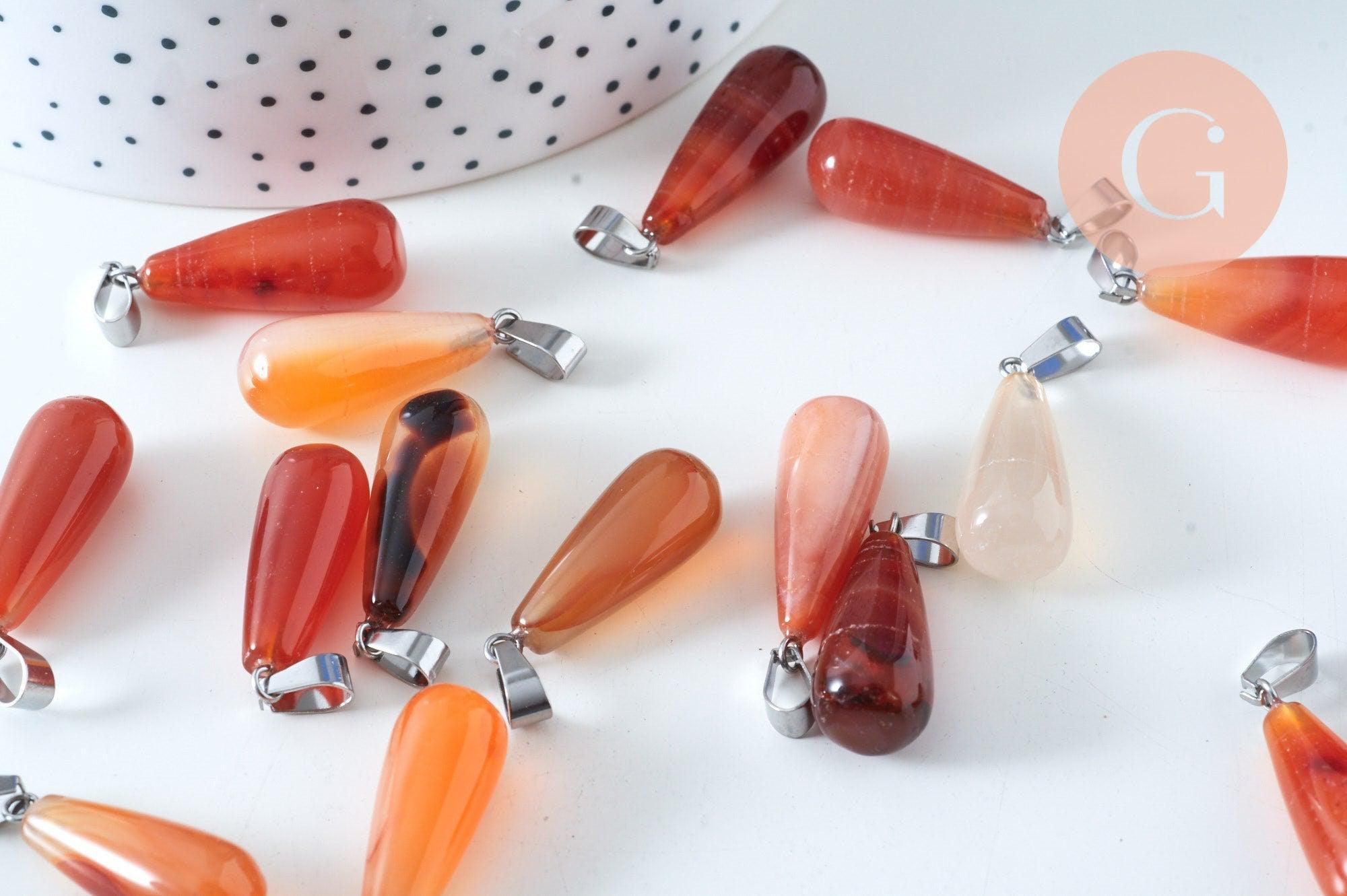
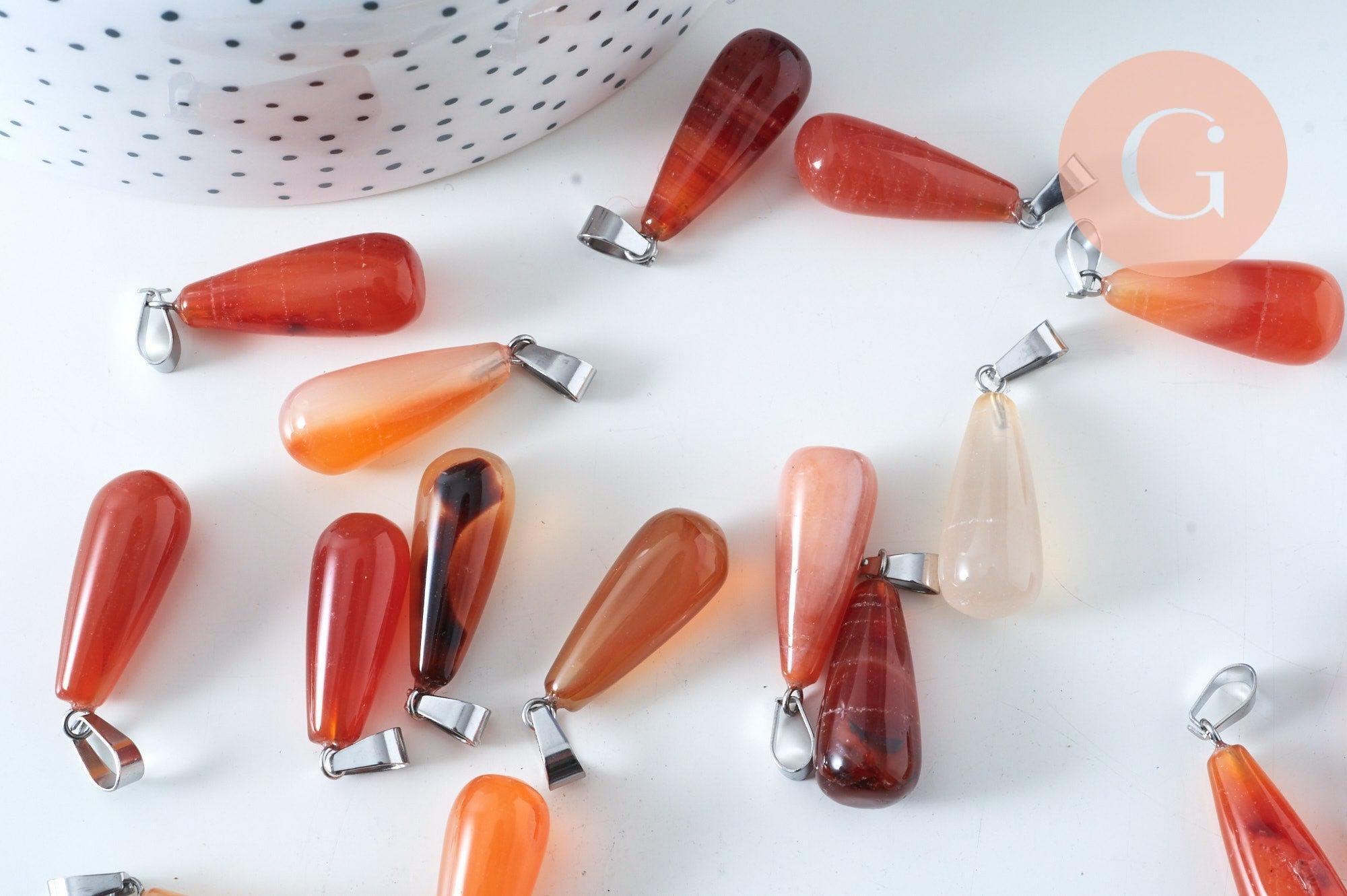
Pendentif goutte cornaline naturelle roulée acier platine 30mm, x1 (G6169) Pendentif goutte cornaline naturelle roulée acier platine 30mm, x1 (G6169)
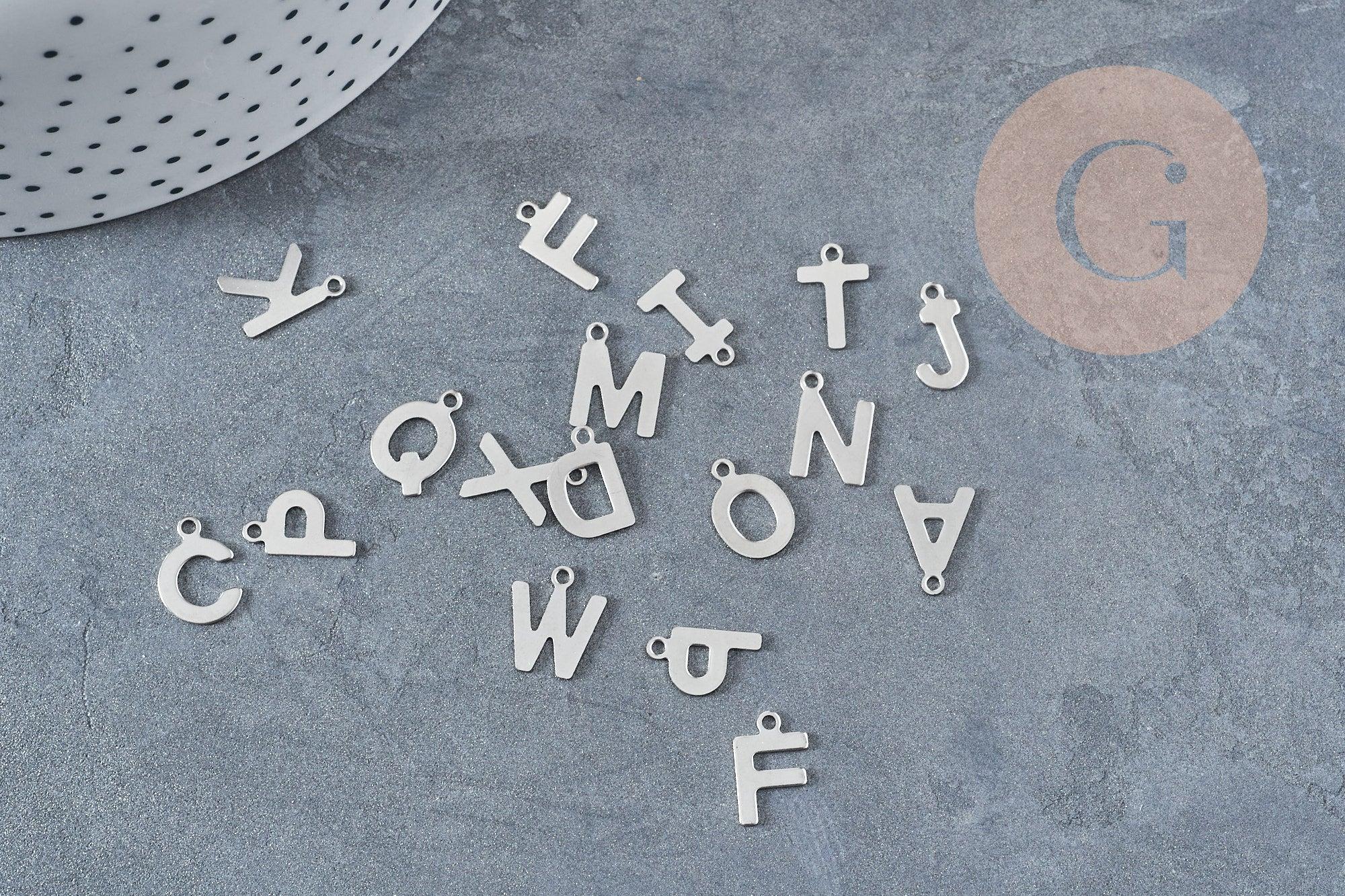
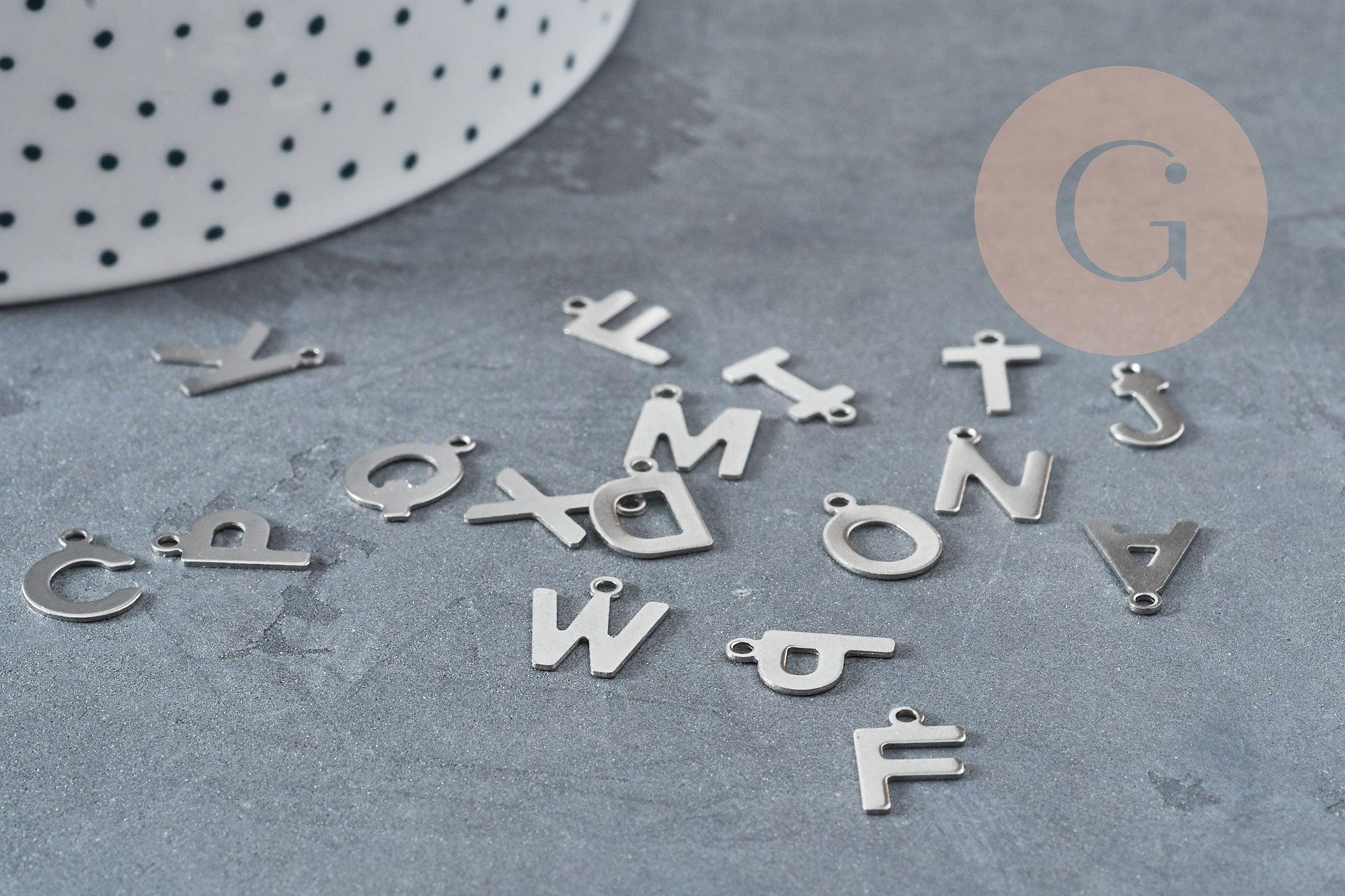
Pendentif lettre initiale acier 201 argenté inoxydable 12.6mm x1 (G8896) Pendentif lettre initiale acier 201 argenté inoxydable 12.6mm x1 (G8896)
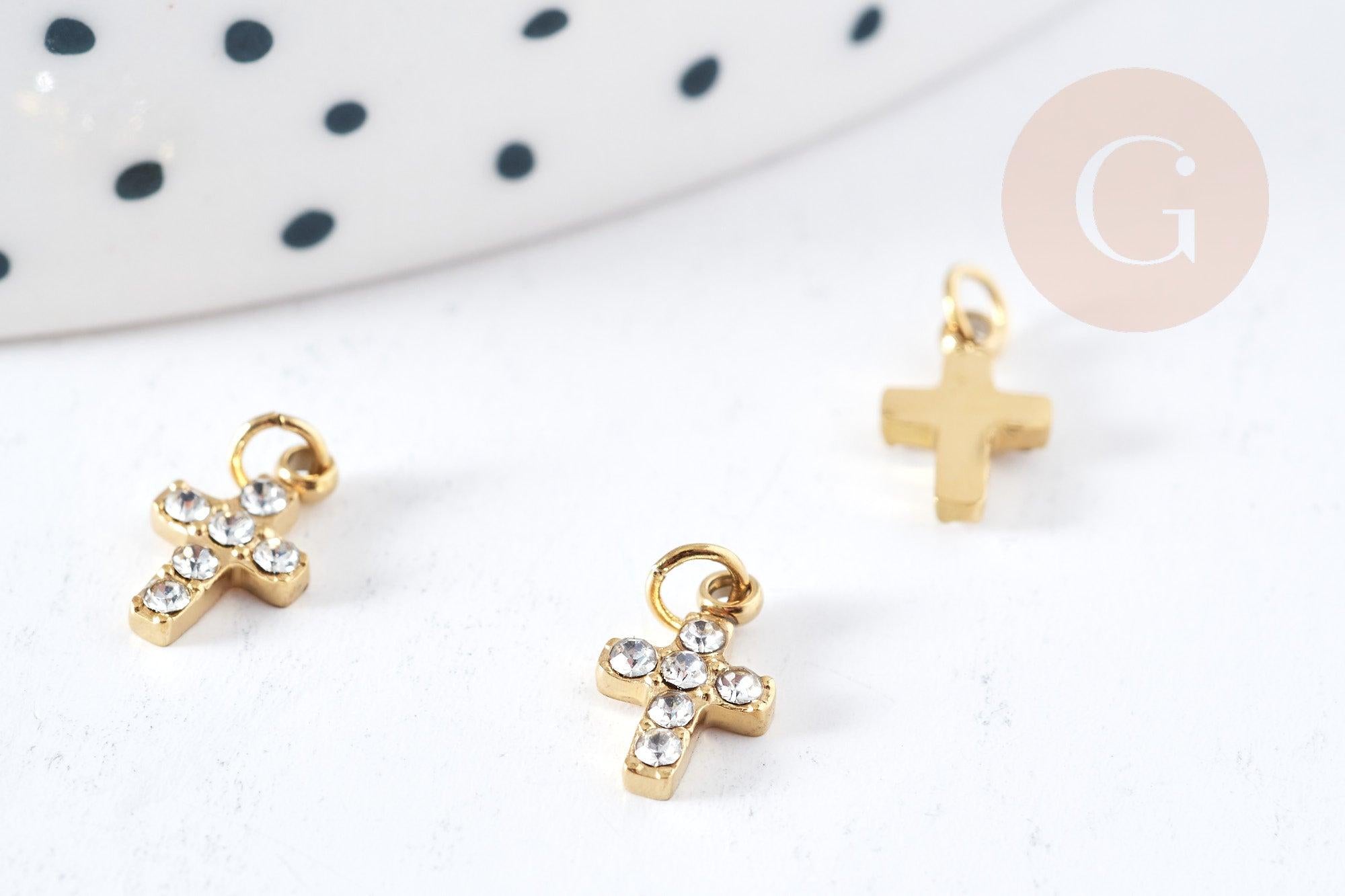
Pendentif croix zircon acier 316 doré inoxydable 8.5mm, x1 (G8819) Pendentif croix zircon acier 316 doré inoxydable 8.5mm, x1 (G8819)
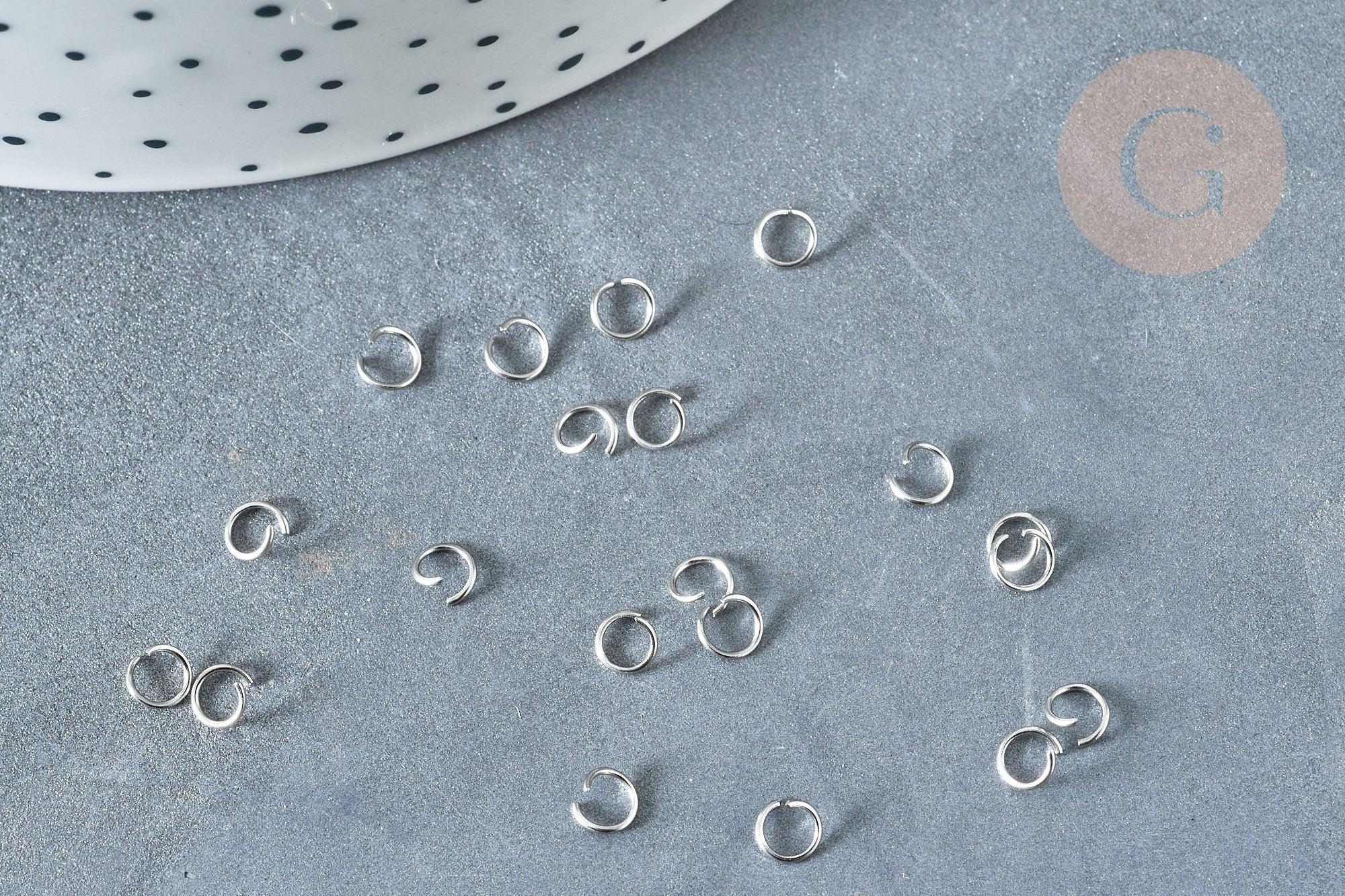
Anneaux ronds acier inoxydable platine 6mm, x5gr (G8152) Anneaux ronds acier inoxydable platine 6mm, x5gr (G8152)
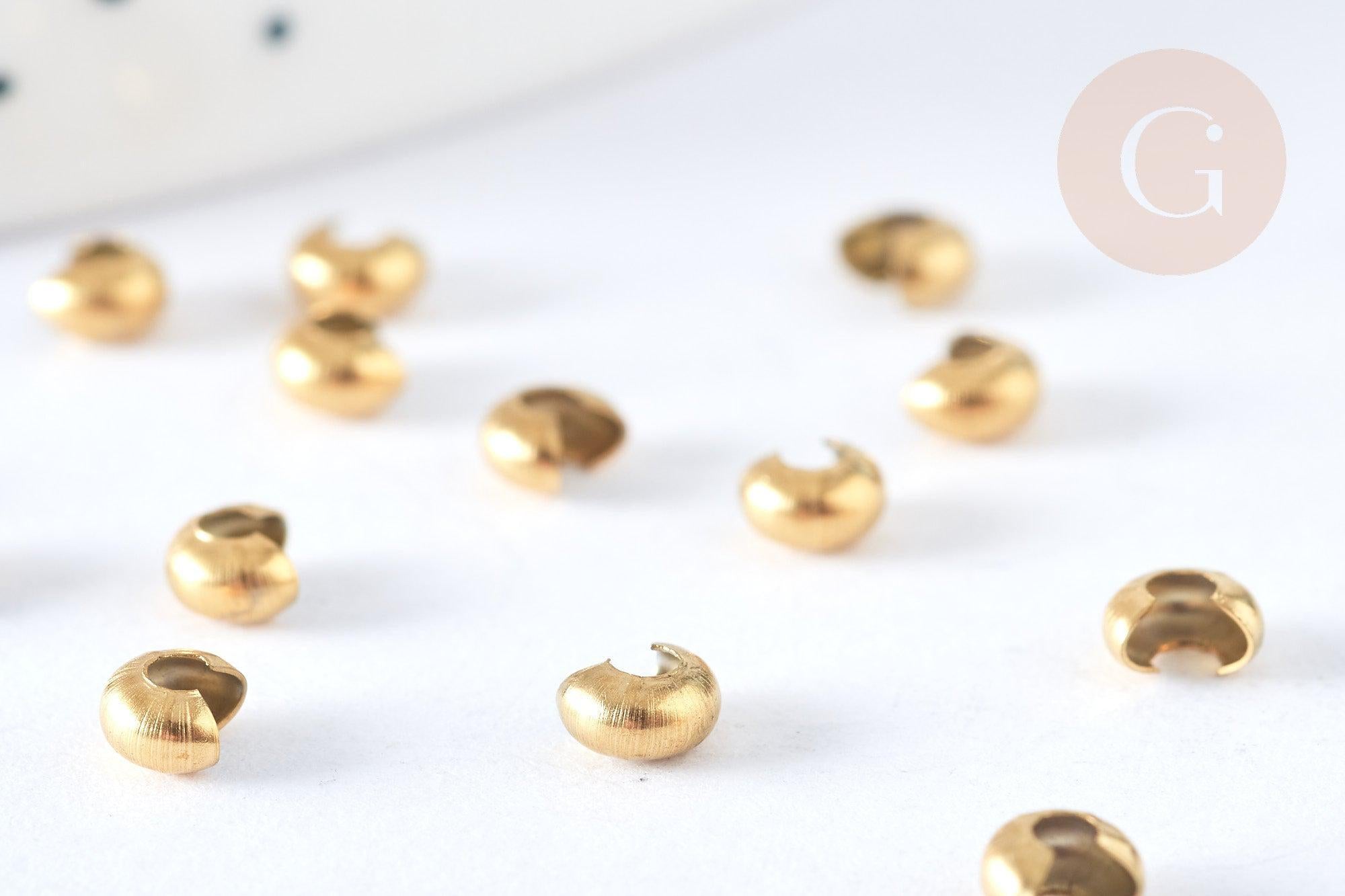
Caches perles à écraser acier 304 doré 2x3mm, x5 (G7320) Caches perles à écraser acier 304 doré 2x3mm, x5 (G7320)

How to identify professional quality stainless steel for jewelry?

Not all stainless steels have the same characteristics. In DIY jewelry, the most common grades are 304 steeland 316L steel. These alloys offer excellent resistance to oxidation, humidity, and perspiration.

304 steel is currently the benchmark for most jewelry findings, chains, and components. 316L steel, sometimes called surgical steel, offers even greater corrosion resistance due to the addition of molybdenum in its composition.

For creations intended for daily wear, it is advisable to exclusively combine components of the same quality to ensure better visual consistency and optimal durability of the jewelry.

Professional quality also relies on the regularity of welds, metal thickness, precision of cuts, and the stability of gold finishes obtained by PVD or Ion Plating (IP) treatment.

To complete your creations, also discover our jewelry findings, our DIY jewelry chains, and our DIY jewelry beads.

FAQs

How to recognize a stainless steel jewel with a professional quality finish?

La qualité professionnelle ne dépend pas uniquement de l'acier utilisé, mais surtout du procédé de finition appliqué. Les composants bénéficiant d'une dorure PVD ou IPprésentent généralement une meilleure résistance à l'usure, aux frottements et à l'humidité que les dorures classiques. Ces technologies permettent une adhérence plus durable de la couleur sur l'acier et sont particulièrement recherchées par les créatrices professionnelles qui souhaitent proposer des bijoux conçus pour être portés quotidiennement. Lors du choix d'un apprêt ou d'une chaîne dorée, il est donc important de vérifier à la fois la qualité de l'acier (304 ou 316L) et le type de traitement de surface utilisé.

What is the difference between 304 and 316L stainless steel?


304 stainless steel is the most commonly used grade in DIY jewelry making thanks to its excellent value for money. 316L stainless steel contains molybdenum, which improves its resistance to humidity, perspiration, chlorine, and seawater. It is particularly recommended for jewelry worn daily or intended for a demanding clientele.

Can stainless steel be mixed with other metals in the same piece of jewelry?

Technically yes, but to ensure better durability and aesthetic harmony, it is preferable to use chains, clasps, rings, and pendants of the same material. Mixing stainless steel, gilded brass, or fancy metal can lead to differences in color and wear over time.

Tutoriels associés

Add Order Note
Discount code